
"coffee soil pH"
300 article(s) found

Growth Environment and Flavor characteristics of Yunnan Coffee Variety-Kadim Catimor
Professional coffee knowledge exchange more coffee bean information please follow the coffee workshop (Wechat official account cafe_style) Katim (English name Catimor) Yunnan small grain coffee, Rubiaceae, coffee genus, mainly distributed in Lincang, Baoshan, Simao, Xishuangbanna, Dehong and other prefectures. Small grains of coffee are native to Ethiopia or Arabian Peninsula. Main producing area

Requirements of Coffee on Ecological Environment Environmental requirements for planting Coffee trees
Small seed coffee is native to the lower part of the Ethiopian rainforest in northern Africa. The temperature is relatively low, with an average annual temperature of 20 degrees. The origin of medium-grain coffee is near the equator. Therefore, small seed coffee has stronger cold tolerance and wider adaptability than medium grain coffee. Medium-grain coffee requires a slightly higher temperature. First, the requirement for temperature should be based on the natural conditions of Yunnan, and the suitable planting area of coffee should be selected.

The acid composition in coffee
The acidity of coffee is usually considered to be related to the quality of coffee. Acidity is typical of high-value coffee in Central America and East Africa. Excessive sour taste is considered to be the disadvantage of coffee. Acidity is related to growing at very high altitudes and mineral-rich volcanic soils.
Environmental Requirements of Coffea arabica Cultivation in Yunnan Province
According to Yunnan's natural conditions, coffee planting areas should be selected in areas where the annual average temperature is greater than 18 degrees, the coldest monthly average temperature is greater than 11.5 degrees, the monthly average temperature is less than 13 degrees within two months, and the extreme minimum temperature is generally above zero. Arabica coffee is native to the Ethiopian tropical rain forest in northern Africa. The temperature is relatively low, with an average annual temperature of 20 degrees. Robusta coffee
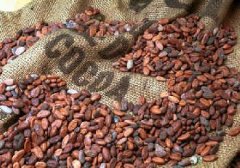
Variety characteristics of Yunnan small seed Coffee Bean introduction to the planting conditions of Yunnan Coffee producing area
Small seed coffee is native to the lower part of the Ethiopian rainforest in northern Africa. The temperature is relatively low, with an average annual temperature of 20 degrees. The origin of medium-grain coffee is near the equator. Therefore, small seed coffee has stronger cold tolerance and wider adaptability than medium grain coffee. Medium-grain coffee requires a slightly higher temperature. First, the importance of temperature

General knowledge of Coffee planting Environmental requirements for the cultivation of small Coffee in Yunnan
Small seed coffee is native to the lower part of the Ethiopian rainforest in northern Africa. The temperature is relatively low, with an average annual temperature of 20 degrees. The origin of medium-grain coffee is near the equator. Therefore, small seed coffee has stronger cold tolerance and wider adaptability than medium grain coffee. Medium-grain coffee requires a slightly higher temperature. First, the requirement for temperature should be based on the natural conditions of Yunnan, and the suitable planting area of coffee should be selected.

The requirements of coffee on the ecological environment in which grain coffee requires a slightly higher temperature.
Small seed coffee is native to the lower part of the Ethiopian rainforest in northern Africa. The temperature is relatively low, with an average annual temperature of 20 degrees. The origin of medium-grain coffee is near the equator. Therefore, small seed coffee has stronger cold tolerance and wider adaptability than medium grain coffee. Medium-grain coffee requires a slightly higher temperature. First, the requirement for temperature should be based on the natural conditions of Yunnan, and the suitable planting area of coffee should be selected.
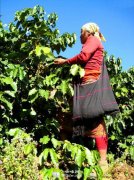
Coffee planting technology
1. The cultivation of strong coffee seedlings 1. The selection of nursery land is close to water source, convenient for transportation, loam or sandy loam with loose and fertile soil, deep soil layer, good drainage, paddy field with PH value of 66.5 or early nursery land, and close to coffee garden. Turn over 20cm30cm meters to make fire and burn the soil, hoe fine and remove stones, branches and roots before sieving, or use mountain humus, add 8
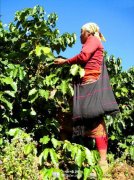
On Coffee planting Technology
1. The cultivation of strong coffee seedlings 1. The selection of nursery land is close to water source, convenient for transportation, loam or sandy loam with loose and fertile soil, deep soil layer, good drainage, paddy field with PH value of 66.5 or early nursery land, and close to coffee garden. Turn over 20cm30cm meters to make fire and burn the soil, hoe fine and remove stones, branches and roots before sieving, or use mountain humus, add 8
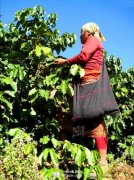
Brief introduction of Coffee knowledge Coffee planting techniques
1. The cultivation of strong coffee seedlings 1. The selection of nursery land is close to water source, convenient for transportation, loam or sandy loam with loose and fertile soil, deep soil layer, good drainage, paddy field with PH value of 66.5 or early nursery land, and close to coffee garden. Turn over 20cm30cm meters to make fire and burn the soil, hoe fine and remove stones, branches and roots before sieving, or use mountain humus, add 8-
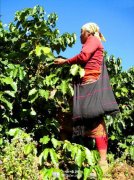
Cultivation techniques of High-quality Coffee trees
1. The cultivation of strong coffee seedlings 1. The selection of nursery land is close to water source, convenient for transportation, loam or sandy loam with loose and fertile soil, deep soil layer, good drainage, paddy field with PH value of 66.5 or early nursery land, and close to coffee garden. Turn over 20cm30cm meters to make fire and burn the soil, hoe fine and remove stones, branches and roots before sieving, or use mountain humus, add 8-
Flavor characteristics of anaerobic fermented coffee in Huoyanshan, Costa Rica? Where are the anaerobic fermentation processes?
Professional coffee knowledge exchange more coffee bean information please follow the coffee workshop (Wechat official account cafe_style) anaerobic fermentation process 1. Coffee cherry flavors are more concentrated in mucilage (pectin and mucus) than in seeds (seeds). two。 Affected by the maturity, variety, seasonality, soil and water and other factors, different pectins have different sweetness and quality.

Which three continents do coffee beans mainly grow in? introduction to the country of manor production
Which three continents do coffee beans grow mainly? variety characteristics Manor introduced that Mantenin produced in Sumatra is one of the few Arabica species with large particles, but poor production management and roasting are immediately reflected on coffee beans, so they will be criticized, but the rich and mellow taste from Toyo, such as syrup-like taste, made it before the Blue Mountains appeared.
Analysis of Acid components in Coffee
The acidity of coffee is usually considered to be related to the quality of coffee. Acidity is typical of high-value coffee in Central America and East Africa. Excessive sour taste is considered to be the disadvantage of coffee. Acidity is related to growing at very high altitudes and mineral-rich volcanic soils. The acidity of washed beans is higher than that of sun-dried beans. For example, the concentration of sun-dried beans is heavier than that of washed beans, because the concentration obscures the acid of coffee.
Analysis of Acid Components in Coffee
Coffee acidity is often thought to be related to coffee quality. Acidity is characteristic of high value coffees typical of Central America and East Africa. Excessive sourness is considered a disadvantage of coffee. Acidity is associated with cultivation at very high altitudes and mineral-rich volcanic soils. The acidity of water-washed beans is higher than that of sun-dried (naturally dried) beans. Sun-dried beans are heavier than water-washed beans because the concentration masks the acid in coffee.
Analysis of acid components in high-quality coffee
The acidity of coffee is usually considered to be related to the quality of coffee. Acidity is typical of high-value coffee in Central America and East Africa. Excessive sour taste is considered to be the disadvantage of coffee. Acidity is related to growing at very high altitudes and mineral-rich volcanic soils. The acidity of washed beans is higher than that of sun-dried beans. For example, the concentration of sun-dried beans is heavier than that of washed beans, because the concentration obscures the acid of coffee.
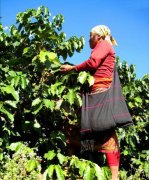
Coffee planting techniques what coffee planting techniques are there? How do you grow coffee? How to grow coffee?
1. The cultivation of strong coffee seedlings 1. The selection of nursery land is close to water source, convenient for transportation, loam or sandy loam with loose and fertile soil, deep soil layer, good drainage, paddy field with PH value of 66.5 or early nursery land, and close to coffee garden. Turn over 20cm30cm meters to make fire and burn the soil, hoe fine and remove stones, branches and roots before sieving, or use mountain humus, add 8-
Basic knowledge of Coffee acids in Coffee
The acidity of coffee is usually considered to be related to the quality of coffee. Acidity is typical of high-value coffee in Central America and East Africa. Excessive sour taste is considered to be the disadvantage of coffee. Acidity is related to growing at very high altitudes and mineral-rich volcanic soils. The acidity of washed beans is higher than that of sun-dried beans. For example, the concentration of sun-dried beans is heavier than that of washed beans, because the concentration obscures the acid of coffee.

Analysis of acid components in boutique coffee knowledge coffee
The acidity of coffee is usually considered to be related to the quality of coffee. Acidity is typical of high-value coffee in Central America and East Africa. Excessive sour taste is considered to be the disadvantage of coffee. Acidity is related to growing at very high altitudes and mineral-rich volcanic soils. The acidity of washed beans is higher than that of sun-dried beans. For example, the concentration of sun-dried beans is heavier than that of washed beans, because the concentration obscures the acid of coffee.